Hike Hidden Lake Overlook: Your Gateway to Glacier's Alpine Majesty
Nestled high in the heart of Glacier National Park, the Hidden Lake Overlook trail stands as one of the park's most iconic and rewarding hikes. Offering unparalleled panoramic views of a pristine alpine lake, a dramatic mountain backdrop dominated by the majestic Bearhat Mountain, and vibrant meadows bursting with wildflowers, this relatively easy trek is a must-do for any visitor. Whether you're chasing breathtaking vistas, hoping to spot a mountain goat, or simply seeking a rewarding outdoor experience, the journey to Hidden Lake Overlook promises an unforgettable immersion into Montana's wild beauty.
Starting from the famous Logan Pass, this accessible trail provides a fantastic opportunity for nearly all skill levels to experience Glacier's high-country splendor without committing to an arduous, all-day endeavor. Prepare to be captivated by stunning scenery, the freshest mountain air, and perhaps even some charismatic wildlife along the way. Hidden Lake Overlook: Easy Glacier NP Hike, Epic Views offers a great perspective on why this trail is so beloved.
Trail Essentials: What to Expect on Your Hidden Lake Overlook Adventure
Embarking on the Hidden Lake Overlook trail is an adventure that combines accessibility with awe-inspiring beauty. Here are the core details you'll need to plan your trip:
- Trailhead Location: The hike begins directly from the west side of the Logan Pass Visitor Center, a prominent and easily identifiable landmark along the Going-to-the-Sun Road.
- Roundtrip Length: The journey to the overlook and back spans approximately 2.7 miles. For those with more time and energy, the trail continues past the overlook, descending an additional 1.2 miles (each way) to the lake's shore, effectively doubling your total mileage.
- Total Elevation Gain: You'll ascend a manageable 540 feet, spread out comfortably over the relatively short distance. This gradual incline contributes to the trail's "easy" difficulty rating.
- Highest Elevation: The overlook itself sits at an impressive 7152 feet, offering expansive views from this high alpine vantage point.
- Trail Difficulty Rating: Clocking in at around 3.78 on many scales, the Hidden Lake Overlook is widely considered an easy to moderate hike, making it suitable for families and most fitness levels.
- Key Features: Expect outstanding panoramic views, lush alpine meadows (especially renowned for wildflowers), and frequent wildlife sightings.
The trail's popularity means you should anticipate crowds, especially during peak season. An early start is highly recommended to secure parking and enjoy a more serene experience.
Navigating the Scenic Ascent: From Boardwalks to Alpine Vistas
Your trek to the Hidden Lake Overlook is a sensory journey that unfolds with every step. After climbing the initial stairway behind the Logan Pass Visitor Center, veer right to find the well-marked "Hanging Gardens Trailhead," often more casually referred to as the Hidden Lake Nature Trail.
The Hanging Gardens: A Carpet of Color
The initial segment of the trail begins on a paved surface, quickly transitioning into a raised boardwalk. This ingenious construction isn't just for ease of walking; at this lofty elevation, snow often persists well into the summer months. The boardwalk keeps hikers above the lingering snow, slush, mud, and seasonal rivulets that crisscross the landscape. It also protects the delicate alpine vegetation beneath.
As you ascend, you'll be traversing the famous "Hanging Gardens"—expansive alpine meadows that, once the snow fully melts, transform into an incredibly vibrant carpet of wildflowers. Depending on the season, you might witness an explosion of Indian paintbrush, bear grass, lupine, and countless other species creating a breathtaking mosaic of color. To your front, the imposing 8760-foot Clements Mountain dominates the immediate horizon, a constant reminder of the raw power of the Continental Divide.
Panoramic Peaks and the Continental Divide
As you continue upwards, keep an eye out for more geological marvels. To your right (north), you'll be treated to outstanding views of the dramatic Garden Wall, a spectacular sheer rock face that defines much of the Logan Pass area. Slightly to the northwest, the graceful 8180-foot Mt. Oberlin stands proudly.
A little over half a mile from the visitor center, after a series of wooden steps, you'll reach the end of the first boardwalk section. From here, the trail subtly shifts to a more southwesterly course, directing your gaze towards the impressive 8684-foot Bearhat Mountain, which will soon become the iconic centerpiece of your destination. On your left along this stretch, keep an eye out for the towering 9125-foot Mt. Reynolds and the robust 8016-foot Heavy Runner Mountain.
Even relatively late into the hiking season, don't be surprised if you encounter a few small snowfields that require careful traversing. These ephemeral patches are a testament to the persistent alpine climate. Around 1.2 miles from the trailhead, you'll cross a subtle yet significant point: the Continental Divide. Here, runoff from snowmelt and rain begins its long journey towards the Pacific Ocean, a truly humbling thought.
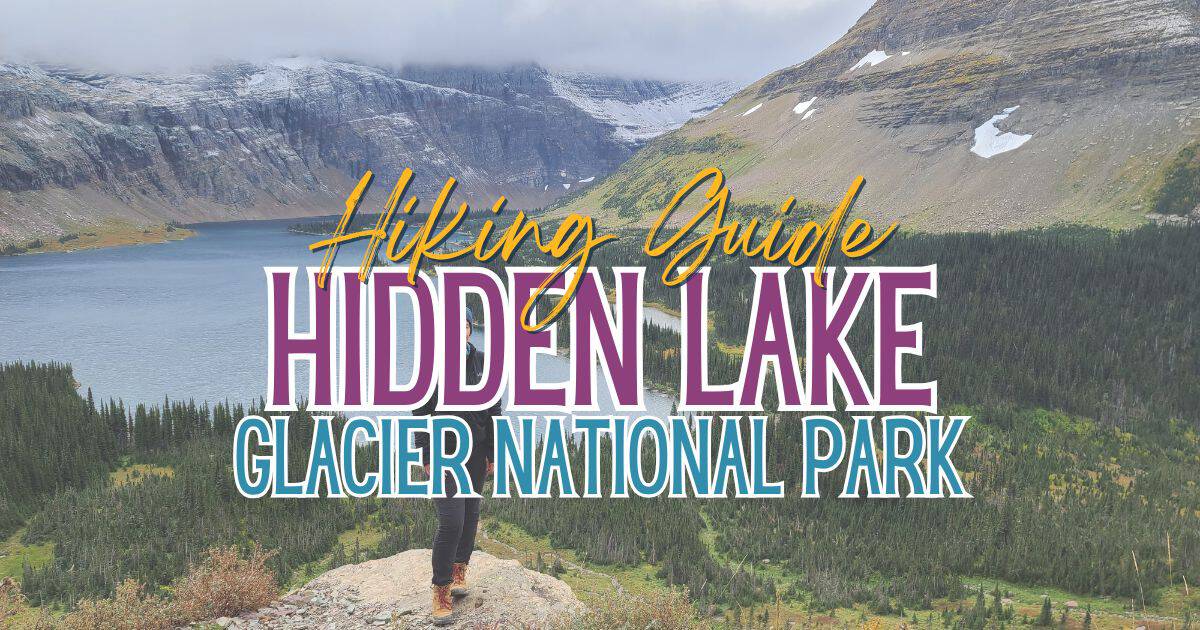
Finally, at approximately 1.35 miles, you'll arrive at the glorious Hidden Lake Overlook. From this magnificent vantage point, an expansive, jaw-dropping panorama unfolds before you. The crystal-clear waters of Hidden Lake shimmer below, perfectly framed by the rugged peaks, with Bearhat Mountain standing sentinel in the background – a view that truly earns its reputation.
Wild Encounters & Flora: The Ecosystem of Hidden Lake Overlook
Beyond the stunning vistas, the Hidden Lake Overlook trail is a vibrant ecosystem teeming with life, offering prime opportunities for both botanical appreciation and wildlife viewing.
A Symphony of Wildflowers
The "Hanging Gardens" are not just a name; they are a promise of botanical splendor. From mid-July through early August, these alpine meadows explode in a riot of color, earning the region its reputation as a wildflower paradise. You might encounter vibrant purple lupine, fiery red Indian paintbrush, delicate white bear grass, cheerful yellow arnica, and countless other species adapted to the high-altitude environment. Each step reveals a new bloom, transforming the landscape into a living tapestry.
Wildlife Spotting Opportunities
Glacier National Park is renowned for its wildlife, and the Logan Pass area is particularly famous for its high-country inhabitants. Keep your eyes peeled, as encounters are frequent and often highlight the magic of this wilderness:
- Mountain Goats: Perhaps the most iconic residents, these agile creatures are often seen grazing on rocky slopes or even near the trail, seemingly unfazed by human presence. Their pure white coats stand out against the grey rock.
- Bighorn Sheep: Another majestic species, bighorn sheep with their impressive curled horns can also be spotted, often in similar habitats to mountain goats.
- Marmots & Pikas: Listen for the distinctive "eep!" of a pika or spot a plump marmot sunning itself on a rock. These small mammals are a charming part of the alpine soundscape.
- Deer: Mule deer are commonly seen foraging in the meadows.
Remember to always observe wildlife from a safe and respectful distance. Never feed or approach animals, and use binoculars or a telephoto lens for close-up viewing to ensure both your safety and theirs.
Practical Tips for a Flawless Hidden Lake Overlook Experience
To ensure your hike to Hidden Lake Overlook is as enjoyable as it is memorable, consider these practical tips:
- Beat the Crowds & Parking Challenge: The Hidden Lake Overlook is one of Glacier's most popular trails, and Logan Pass parking fills up incredibly early, often by 7:00 AM during peak season. To avoid frustration, plan to arrive at Logan Pass before 7:00 AM, or utilize the park's convenient and free shuttle system. Parking at a shuttle stop further down the Going-to-the-Sun Road and riding up is often the most stress-free option.
- Prepare for Variable Weather: The entire length of the trail is exposed to the elements. Alpine weather is notoriously unpredictable and can change rapidly. Expect a range of conditions, potentially including strong sun, brisk winds, rain, and cooler temperatures, even in summer. Dress in layers, including a waterproof and windproof outer shell.
- Essential Gear: Pack plenty of water, high-energy snacks, sunscreen, sunglasses, a wide-brimmed hat, and a camera. Sturdy, comfortable hiking shoes with good traction are a must, especially if you encounter any lingering snowfields.
- Stay on the Trail: To protect the fragile alpine ecosystem and ensure your safety, always stay on the marked trail and boardwalks.
- Wildlife Safety: While large predators like bears are less common on this highly trafficked trail, it's always wise to be bear aware in Glacier. Make noise, carry bear spray, and know how to use it. More importantly, maintain a respectful distance from all wildlife.
- Beyond the Overlook: If time and energy allow, you have the option to continue past the Hidden Lake Overlook and descend a further 1.2 miles down to the shores of Hidden Lake. This significantly increases the hike's length and elevation change, making it a more challenging endeavor, especially the uphill return.
For more insights on making this hike accessible and enjoyable, check out Hidden Lake Overlook: Accessible Views & Easy Trail Guide in Glacier.
Conclusion: An Unforgettable Glacier Highlight
The hike to Hidden Lake Overlook is more than just a walk; it's an immersive experience that encapsulates the very essence of Glacier National Park's raw, untamed beauty. From the vibrant wildflower displays of the Hanging Gardens to the dramatic mountain panoramas and the chance to witness majestic alpine wildlife, every step offers a new discovery. Its accessibility, combined with its profound rewards, solidifies its status as a must-do for anyone visiting this crown jewel of the Rockies. So, lace up your boots, pack your sense of wonder, and prepare to be enchanted by the unparalleled splendor of Hidden Lake Overlook.
